
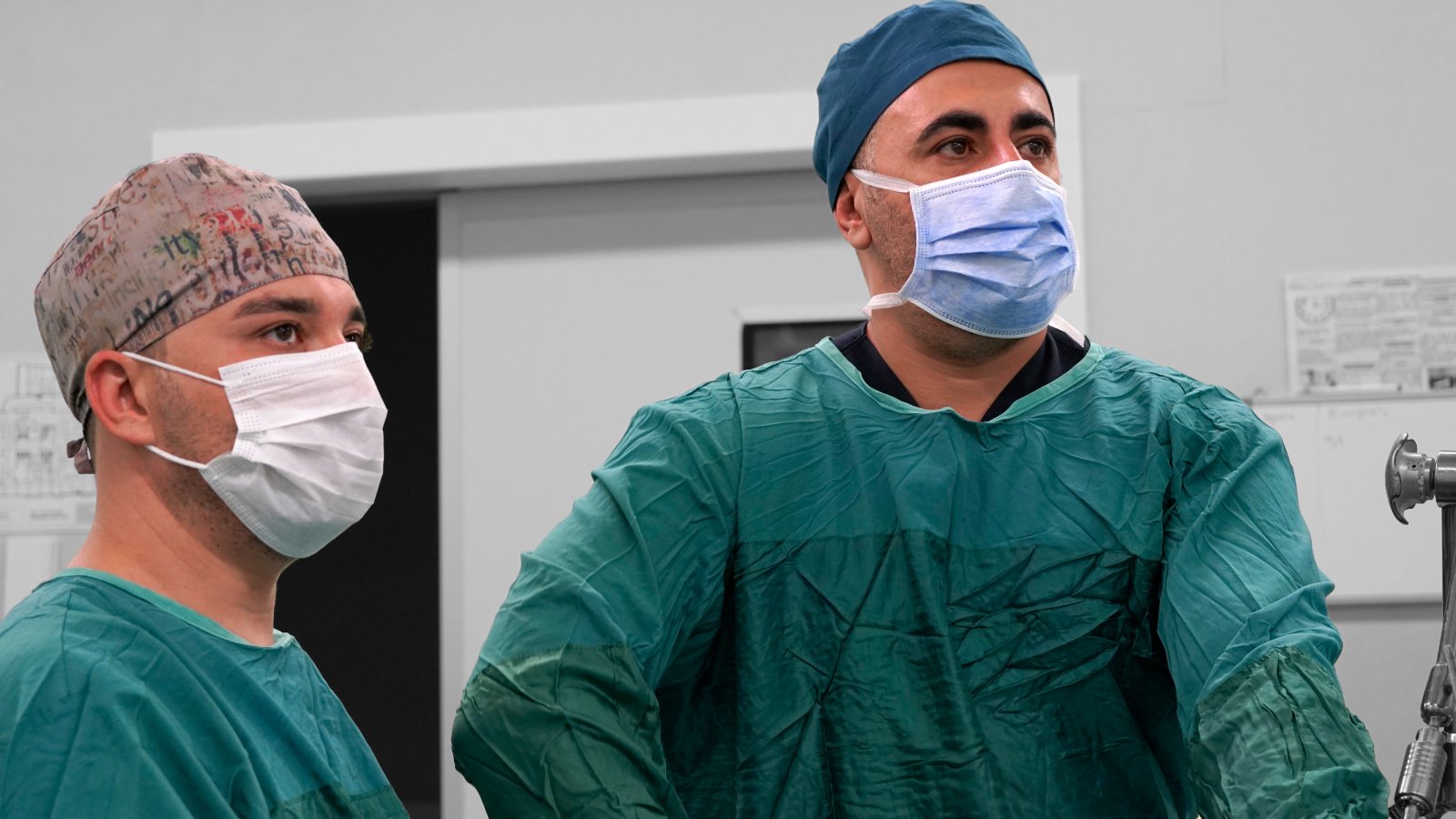
Laparoscopic gastric sleeve (stomach reduction) surgery in Elazığ: procedure, preparation and recovery.
Gastric sleeve surgery (laparoscopic sleeve gastrectomy) — commonly known as stomach reduction surgery — is an obesity surgery method in which a large portion of the stomach is surgically removed, leaving a narrow, tube-shaped stomach behind. This significantly reduces stomach volume. At our clinic in Elazığ, the procedure is performed laparoscopically, meaning through minimally invasive techniques. Gastric sleeve surgery is one of the methods available under the broader category of obesity surgery, and is evaluated against other options based on each patient's clinical situation.
Stomach reduction surgery is generally considered for individuals with a body mass index above certain thresholds, or those with obesity-related health conditions. Before deciding on surgery, our patients are assessed to confirm that non-surgical approaches such as diet and lifestyle changes have not been sufficient. It is also important that the patient is ready to commit to the dietary changes and regular follow-up required after surgery. Final eligibility is determined only after a detailed examination and the necessary tests.
In gastric sleeve surgery, the greater curvature of the stomach is removed through a few small incisions in the abdomen, using laparoscopic instruments and a camera, leaving behind a narrow tube-shaped stomach. This technique allows for less tissue trauma compared with open surgery. The procedure is performed under general anesthesia. The duration of stomach reduction surgery can vary depending on the patient's anatomy. Patients interested in how this method differs from other options within obesity and metabolic surgery can find more information on our metabolic surgery page.

Assessment and treatment by an experienced specialist with over 10 years in the field.
Fully equipped operating room and clinical environment meeting hygiene standards.
Safe, fast recovery with laparoscopic and minimally invasive methods.
Before surgery, our patients undergo a comprehensive health evaluation; blood tests, imaging, and cardiological assessment when needed are part of this process. In some cases, a specific pre-operative nutrition program may be recommended to help reduce liver size and make the surgery easier to perform. Current medications and existing chronic conditions are reviewed in detail at this stage.
In the first days after gastric sleeve surgery, our patients are kept under close observation in the hospital. Nutrition begins with liquids and is gradually advanced. Encouraging early mobility is one of the practices that supports recovery. Points to watch for after discharge are explained in detail to the patient and their family; recovery time can vary from person to person.
The nutrition program after stomach reduction surgery is a structured process that moves gradually from liquid to pureed and then solid foods. Protein intake and vitamin/mineral supplementation are especially important during this period. At our clinic, the nutrition process is monitored long-term together with regular check-ups.
As with any surgical procedure, gastric sleeve surgery carries general risks such as those related to anesthesia, bleeding, and infection. Risks specific to the operation are explained in detail to the patient during the pre-operative consultation. Following the recommended nutrition and follow-up program is important for long-term outcomes. The decision to proceed with surgery is made after a discussion between the patient and the surgical team, weighing the possible risks against the expected benefits.
The information on this page is for general informational purposes only. Which method is suitable can only be determined after an examination and evaluation.
Yes — "stomach reduction surgery" is the common name used for the same surgical procedure that is medically known as gastric sleeve surgery or laparoscopic sleeve gastrectomy.
Surgery is generally not recommended for patients with severe untreated psychiatric conditions or those who are not expected to be able to follow post-operative lifestyle changes. A final decision is made after an examination.
Hospital stay depends on the patient's recovery process; the exact duration is determined by clinical assessment after surgery.
Nutrition progresses in stages; the timing of the transition to solid foods depends on the patient's individual recovery.
Gastric sleeve surgery focuses on reducing stomach volume, while gastric bypass combines volume reduction with changes to the digestive tract. You can find more detail on our gastric bypass page.
Yes, regular follow-up visits and, when necessary, laboratory tests are recommended to monitor long-term outcomes.