
Mini gastric bypass (one-anastomosis) surgery in Elazığ: procedure, preparation and recovery.
Mini gastric bypass (one-anastomosis gastric bypass) is a technique within obesity surgery that works on a similar principle to classic gastric bypass but involves fewer surgical connection points. In this method, a long, narrow stomach pouch is created, and a section of the small intestine is connected to it with a single connection. At our clinic in Elazığ, mini gastric bypass is one of the options considered based on the patient's anatomy and clinical needs.
Mini gastric bypass is considered for patients with severe obesity where both weight control and metabolic effect are treatment goals. This method may be preferred in certain cases where reducing surgical time and technical complexity is a priority. The patient's overall health, digestive anatomy, and accompanying conditions are taken into account in the eligibility assessment. The final decision is made after a detailed examination.
Mini gastric bypass is performed laparoscopically. A long, narrow stomach pouch is created, and a section of the small intestine is connected to it with a single connection — requiring fewer surgical steps compared with the two separate connections used in classic gastric bypass. The procedure is performed under general anesthesia. Patients interested in the differences from classic gastric bypass can find more information on our related page.

Assessment and treatment by an experienced specialist with over 10 years in the field.
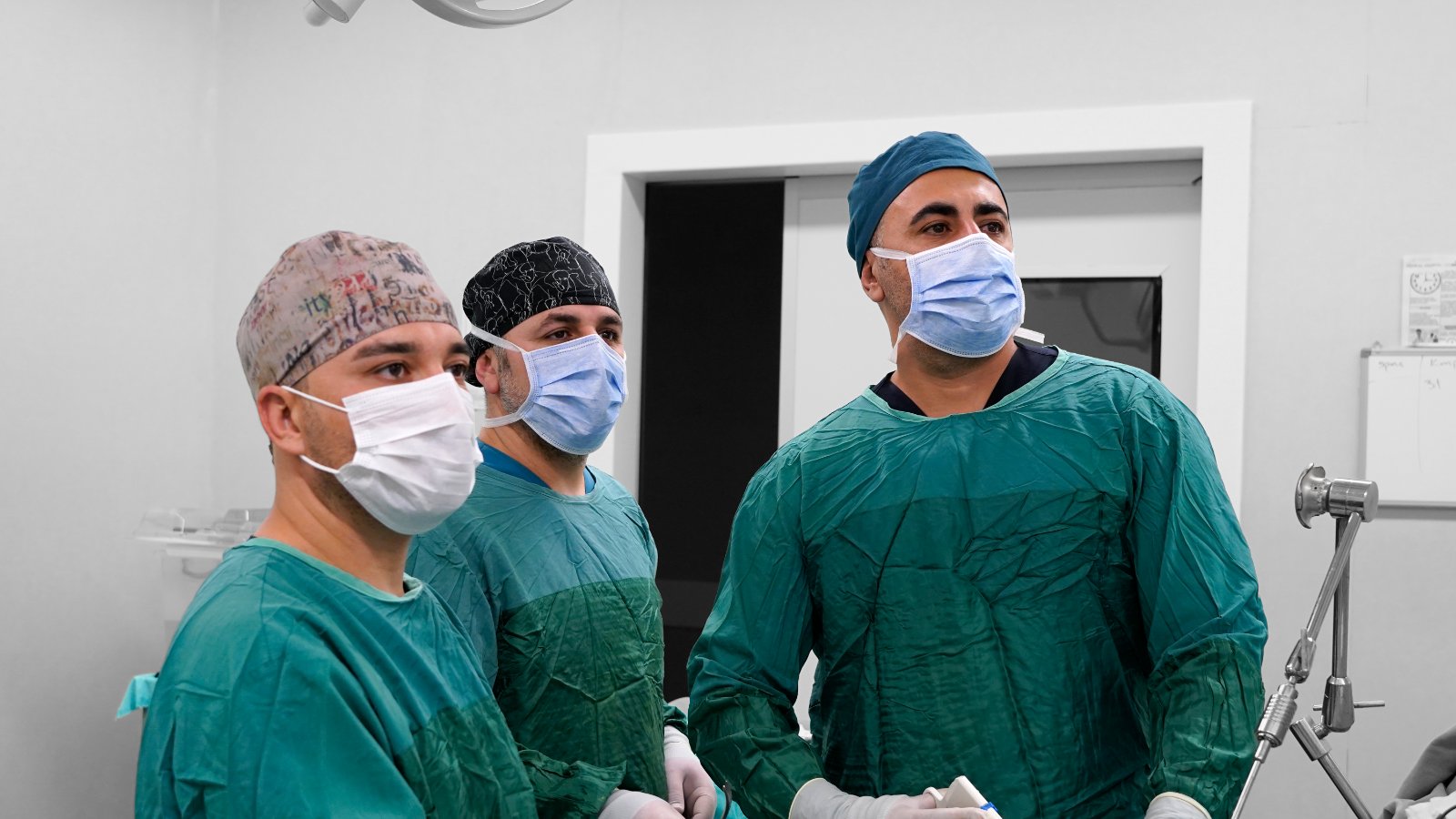
Fully equipped operating room and clinical environment meeting hygiene standards.
Safe, fast recovery with laparoscopic and minimally invasive methods.
Before surgery, our patients undergo a comprehensive evaluation that includes blood tests, imaging, and gastroenterological assessment when needed. Current medications and chronic conditions are reviewed in detail. The purpose of this preparation is to ensure the operation is planned under safe conditions.
In the first days after mini gastric bypass, our patients are closely monitored in the hospital. Nutrition begins with liquids and progresses gradually. Early mobility supports the recovery process. Symptoms to watch for and dietary guidelines after discharge are explained in detail to the patient.
Because mini gastric bypass changes how nutrients are absorbed, vitamin and mineral supplementation is important after this procedure. At our clinic, this process is managed with a long-term follow-up program supported by regular blood tests. Protein intake and fluid consumption are key parts of this period.
Mini gastric bypass carries general surgical risks such as those related to anesthesia, bleeding, and infection. Some considerations specific to this technique, such as bile reflux, are explained in detail to the patient during the pre-operative consultation. Following the recommended nutrition and follow-up program is important for long-term outcomes.
The information on this page is for general informational purposes only. Which method is suitable can only be determined after an examination and evaluation.
Mini gastric bypass works on a similar principle to classic gastric bypass but requires fewer surgical steps because it uses a single connection point. Which method is suitable is determined after an examination.
This is assessed and explained individually by your surgeon before the operation; a general answer would not be accurate.
Yes, because of the change in nutrient absorption, supplementation of certain vitamins and minerals may be necessary, monitored through regular blood tests.
Surgery is generally not recommended for patients with severe untreated psychiatric conditions or those unlikely to follow long-term nutritional guidelines.
Hospital stay depends on the patient's recovery process; the exact duration is determined by clinical assessment.
Yes, regular follow-up visits and laboratory tests are recommended to monitor long-term outcomes and nutrient absorption.