
Roux-en-Y gastric bypass surgery in Elazığ: a method combining stomach reduction with changes to nutrient absorption.
Gastric bypass surgery (Roux-en-Y gastric bypass) is a method within obesity surgery that both reduces stomach volume and reroutes part of the small intestine to change how nutrients are absorbed. In this procedure, a small stomach pouch is created and a section of the small intestine is connected to it, redirecting the digestive path. At our clinic in Elazığ, gastric bypass is considered for cases where both weight control and metabolic effect are priorities.
Gastric bypass surgery is considered for patients with severe obesity, or obesity combined with conditions such as type 2 diabetes or acid reflux. In patients with significant reflux symptoms, this method may sometimes be preferred over gastric sleeve surgery. The patient's overall health, body mass index, and accompanying conditions are the main factors in the eligibility assessment. The final decision is made after a detailed examination.
Gastric bypass surgery is performed laparoscopically. During the procedure, a small pouch is created at the top of the stomach, and a section of the small intestine is connected to this pouch, allowing food to bypass part of the digestive tract. This rerouting both reduces the amount of food that can be consumed and affects certain hormonal mechanisms. The operation is performed under general anesthesia. Patients wanting to understand the differences from gastric sleeve surgery can find more information on our related page.

Assessment and treatment by an experienced specialist with over 10 years in the field.
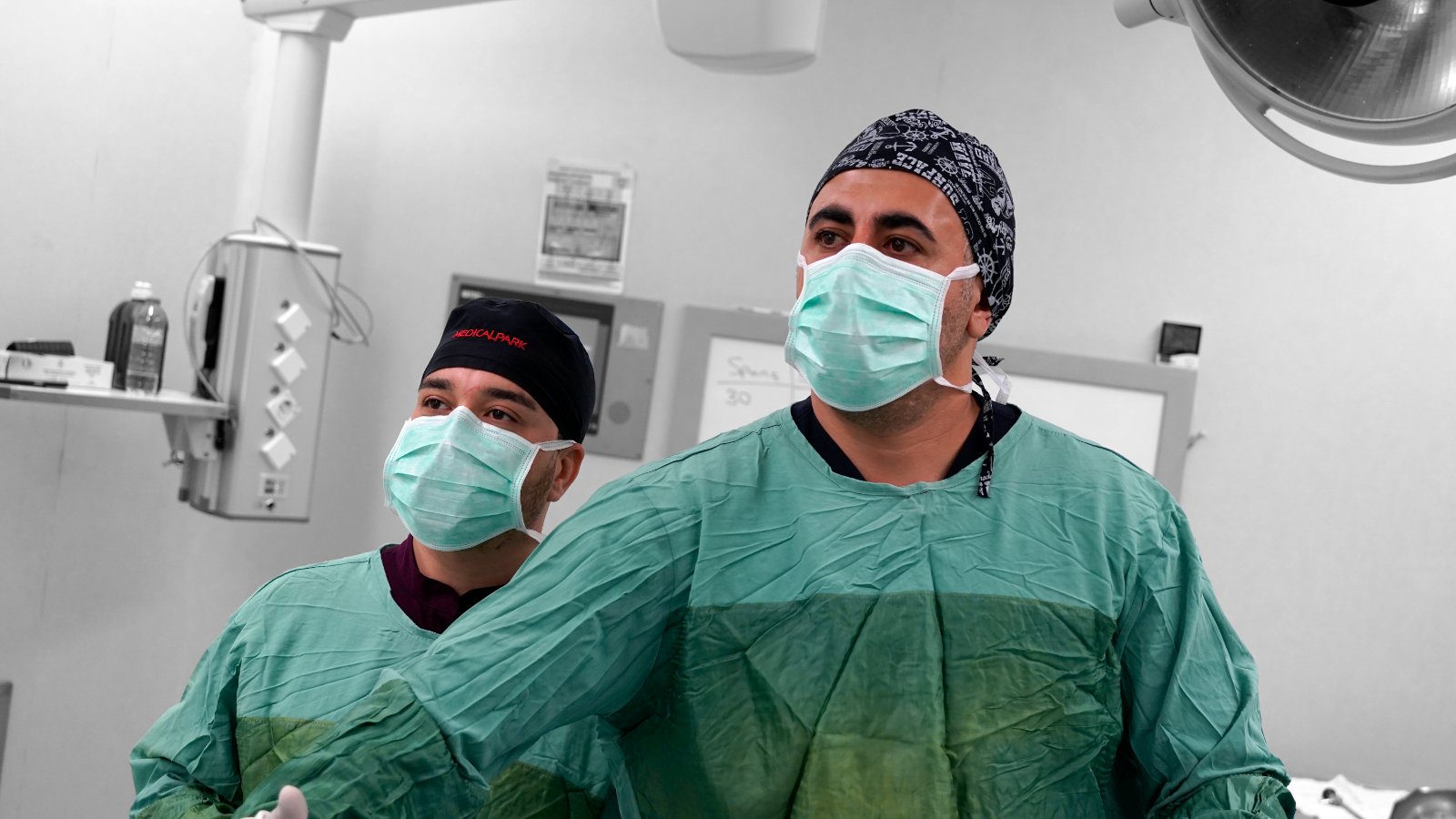
Fully equipped operating room and clinical environment meeting hygiene standards.
Safe, fast recovery with laparoscopic and minimally invasive methods.
Before surgery, our patients undergo a comprehensive evaluation that includes blood tests, imaging, gastroenterological assessment, and cardiological evaluation when needed. Patients with reflux symptoms may require additional endoscopic examination. Current medications and chronic conditions are reviewed in detail; the goal of this preparation is to ensure the operation is planned safely.
In the first days after gastric bypass, our patients are closely monitored in the hospital. Because of the change in the digestive route, the transition to solid food can progress more gradually compared with gastric sleeve surgery. Early mobility supports the recovery process. Symptoms to watch for and nutrition guidelines after discharge are explained in detail to the patient.
Because gastric bypass changes how nutrients are absorbed, vitamin and mineral supplementation is especially important after this procedure. At our clinic, patients are included in a long-term nutrition follow-up program supported by regular blood tests. Protein intake and fluid consumption are key components of this process.
Gastric bypass carries general surgical risks such as those related to anesthesia, bleeding, and infection. Because of the change in the digestive route, long-term monitoring of nutrient absorption is important, which is why following recommended vitamin and mineral supplementation matters. Risks specific to the procedure are explained in detail during the pre-operative consultation.
The information on this page is for general informational purposes only. Which method is suitable can only be determined after an examination and evaluation.
Gastric sleeve surgery focuses only on reducing stomach volume, while gastric bypass both reduces volume and reroutes part of the small intestine. Which method is suitable is determined after an examination.
Yes, because of the change in nutrient absorption, supplementation of certain vitamins and minerals may be necessary; this is monitored with regular blood tests.
Surgery is generally not recommended for patients with severe untreated psychiatric conditions or those unlikely to follow long-term nutritional guidelines.
Hospital stay depends on the patient's recovery process; the exact duration is determined by clinical assessment.
Gastric bypass can be considered for some patients with reflux symptoms; final suitability is determined after an examination.
Yes, regular follow-up visits and laboratory tests are recommended to monitor long-term outcomes and nutrient absorption.