
Lasting weight loss and a healthier life through gastric sleeve and metabolic surgery methods.
Obesity surgery refers to a group of surgical approaches that reshape part of the digestive system to help patients achieve lasting weight control when diet and lifestyle changes alone have not been enough for severe obesity. At our clinic in Elazığ, the approach we take is built around each patient's body mass index, any accompanying metabolic conditions, and overall health, so that a personalized treatment plan can be formed. Under this umbrella term fall several surgical techniques, including laparoscopic sleeve gastrectomy (gastric sleeve surgery), metabolic surgery, and gastric bypass; the specific method is chosen only after a detailed pre-operative evaluation.
Obesity surgery is generally considered for individuals with a body mass index of 40 or above, or a BMI above 35 combined with obesity-related conditions such as type 2 diabetes, hypertension, or sleep apnea. Before surgery, our patients are evaluated to confirm that non-surgical approaches such as diet, exercise, and medical treatment have not produced sufficient results. Candidates are also expected to be ready to commit to the lifestyle changes and long-term follow-up that come after surgery. Psychiatric and endocrinological assessment is an important part of this evaluation process. Because every patient's clinical picture differs, eligibility for surgery can only be determined after a comprehensive examination.
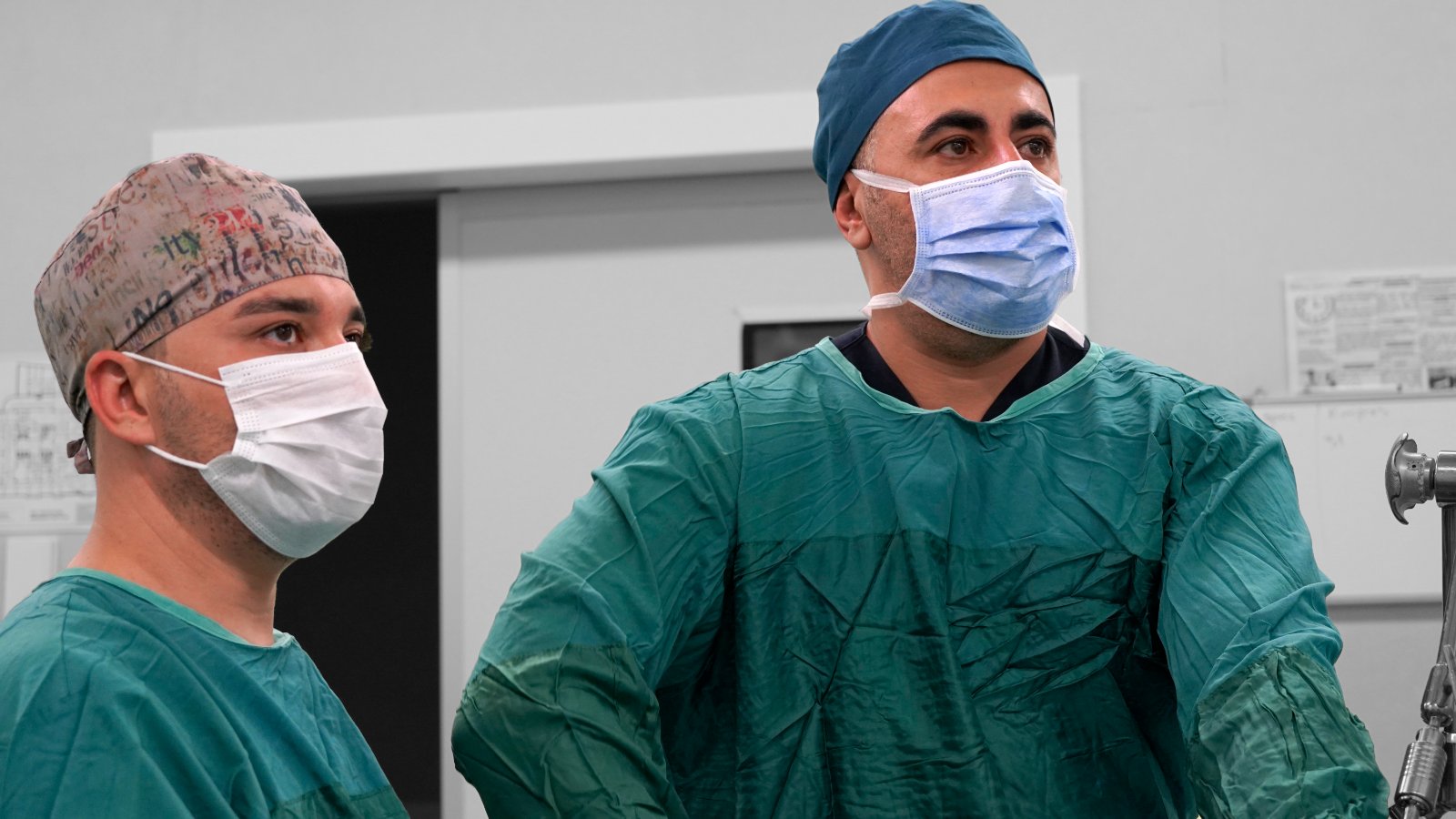
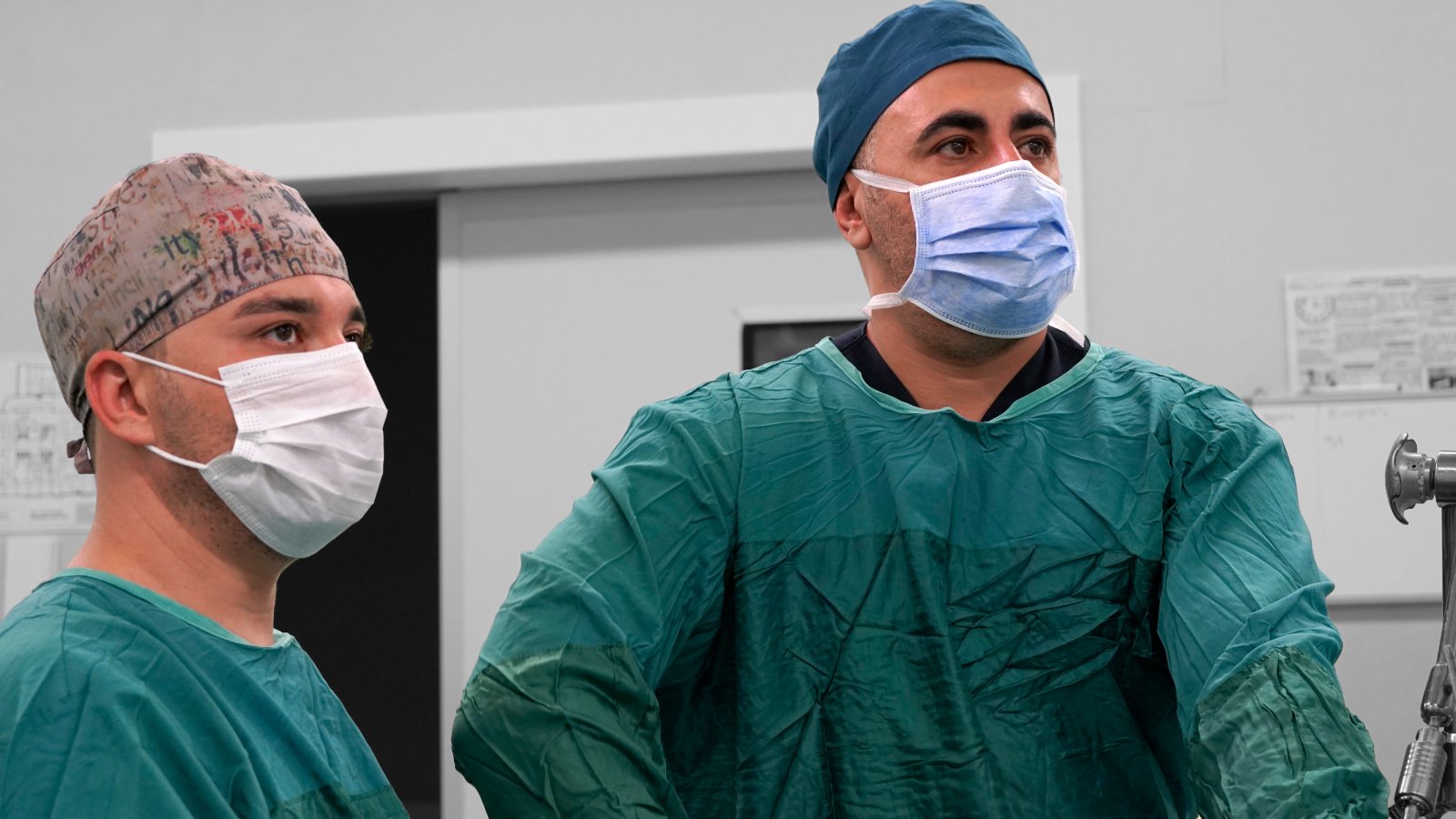
At our clinic, obesity surgery procedures are performed laparoscopically — through a small number of incisions in the abdomen, using a camera and specialized surgical instruments. This approach aims to reduce tissue trauma compared with open surgery. The technique used depends on the patient: for methods based on reducing stomach volume, you can read more on our gastric sleeve surgery page, while for approaches that combine volume reduction with metabolic effects, our metabolic surgery page has further detail. The operation is performed under general anesthesia, and its duration varies according to the technique applied. The surgical team closely monitors the patient's clinical status throughout the procedure.
Laparoscopic gastric sleeve (stomach reduction) surgery in Elazığ: procedure, preparation and recovery.
Learn More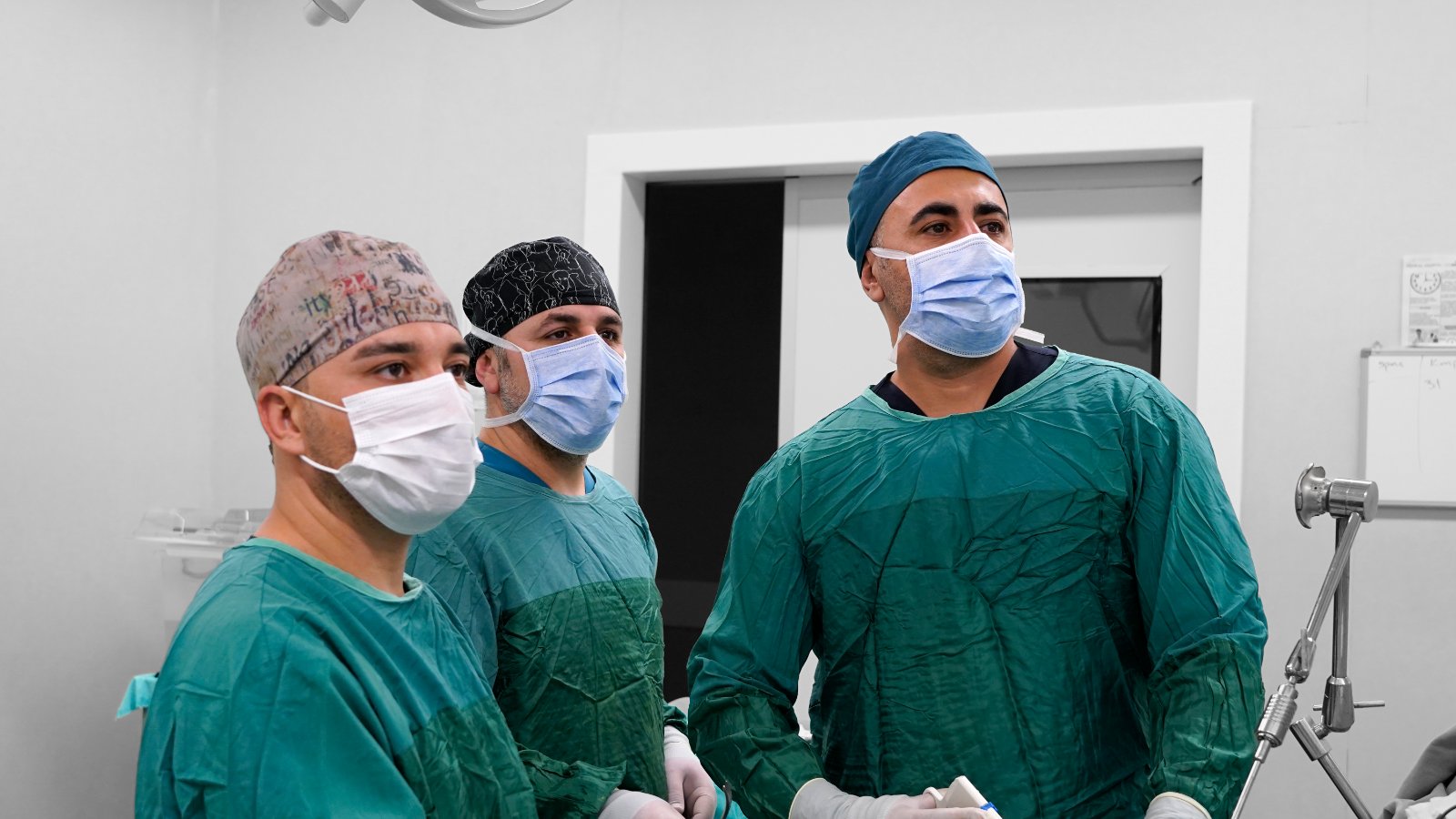
Surgical treatment of metabolic conditions occurring alongside obesity, including type 2 diabetes.
Learn More
Personalized nutrition counseling in Elazığ for pre/post-surgery and non-surgical weight management.
Learn More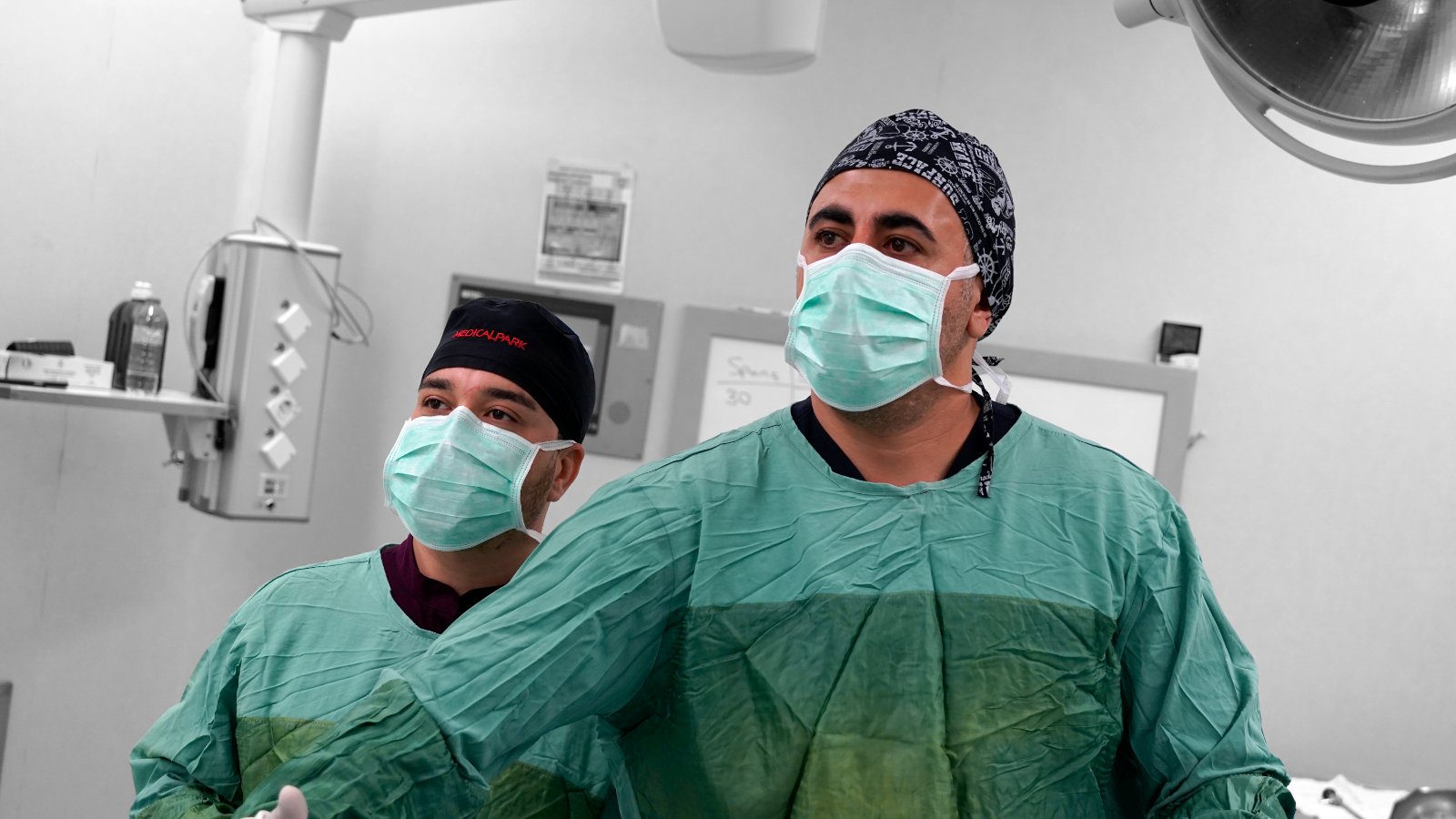
Roux-en-Y gastric bypass surgery in Elazığ: a method combining stomach reduction with changes to nutrient absorption.
Learn More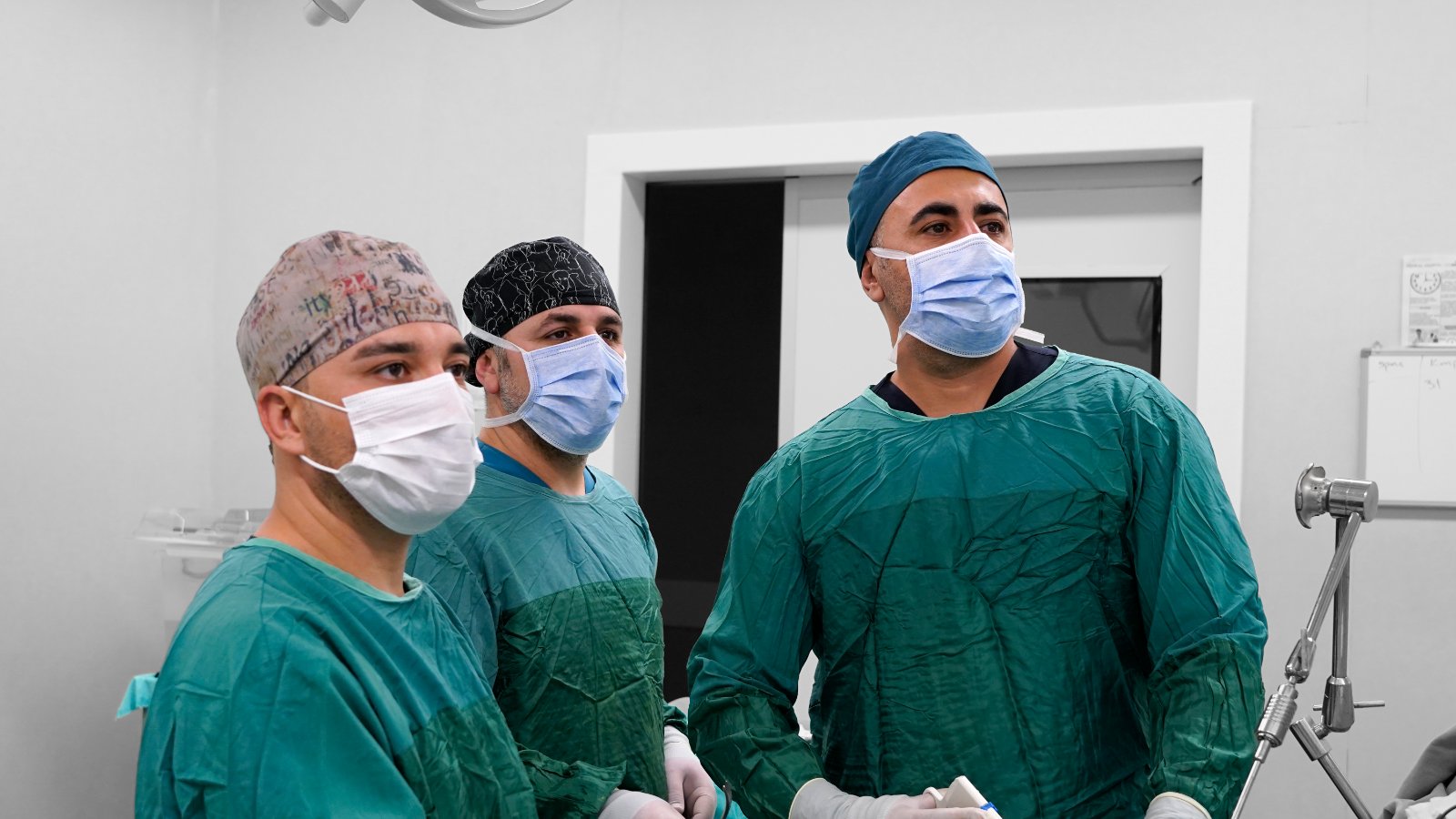
Mini gastric bypass (one-anastomosis) surgery in Elazığ: procedure, preparation and recovery.
Learn More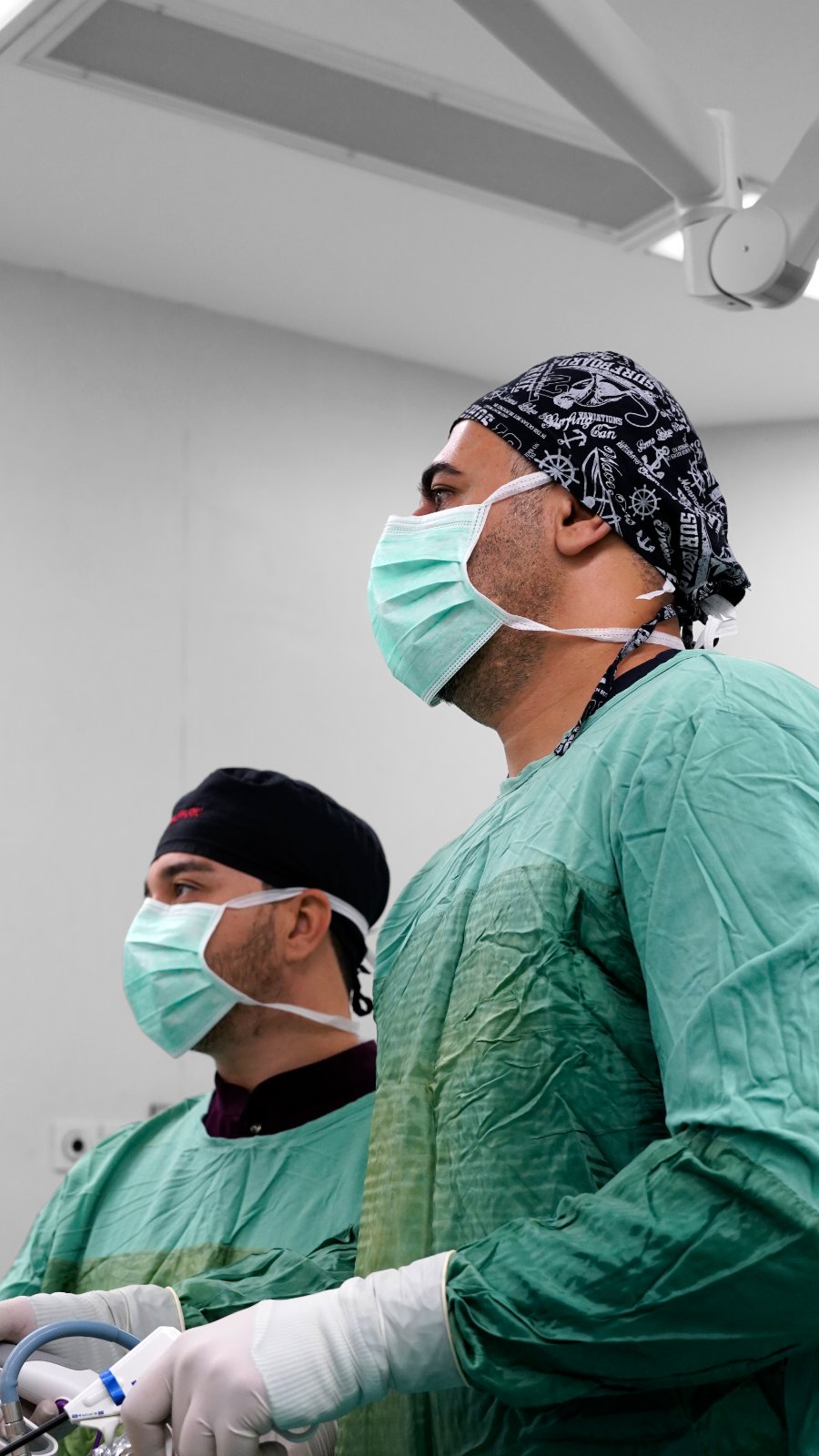
Type 2 diabetes surgery in Elazığ: surgical management of diabetes occurring alongside obesity.
Learn More
Before surgery, our patients go through a thorough evaluation process that includes blood tests, imaging, cardiological and respiratory function assessment, and a consultation with a nutrition specialist. In some cases, a specific pre-operative nutrition program may be recommended to help reduce liver size and lower surgical risk. Current medications, any chronic conditions, and previous surgeries are reviewed in detail at this stage. The purpose of this preparation is to ensure that the operation is planned under safe conditions.
In the first days after obesity surgery, our patients remain under close observation in the hospital. Fluid intake is increased gradually during this period, and early mobility is encouraged, which is one of the factors that supports a smoother recovery. Points to watch for at home after discharge, along with pain management and what to do if anything unusual occurs, are explained in detail to the patient and their family. Recovery time can vary depending on the technique used and the patient's overall health, which is why follow-up appointments are scheduled at regular intervals.
The nutrition plan after obesity surgery is built around a staged progression from liquids to pureed and then solid foods. In our clinic, this process is guided by a nutrition specialist; protein intake, fluid consumption, and vitamin/mineral supplementation are key parts of this period. Regular check-ups, laboratory monitoring, and updates to the nutrition plan when needed are recommended over the long term. Maintaining the lifestyle habits adopted after surgery in a sustainable way is part of this long-term process.
As with any surgical procedure, obesity surgery carries general surgical risks such as those related to anesthesia, bleeding, and infection. Risks specific to the technique used are explained to the patient in detail during the pre-operative consultation, and any questions are addressed. Not following the recommended nutrition and follow-up program after surgery can affect long-term outcomes. For this reason, the decision to proceed with surgery is made through a dialogue between the patient and the surgical team, weighing the possible risks against the expected benefits.
The information on this page is for general informational purposes only. Which method is suitable can only be determined after an examination and evaluation.
Surgery is generally not recommended for patients with severe untreated psychiatric conditions, substance use disorders, or those unlikely to follow post-operative lifestyle changes. A final decision is made after an examination.
Metabolic surgery falls within the broader category of obesity surgery, but focuses specifically on treating conditions such as type 2 diabetes alongside weight loss. See our metabolic surgery page for more detail.
Hospital stay depends on the technique used and the patient's recovery process; the exact duration is determined by clinical assessment.
The time needed to return to daily activities varies from person to person. Our surgical team provides personalized guidance at the time of discharge.
The right method is determined by evaluating body mass index, accompanying conditions, and overall health together. This can only be assessed through an in-person examination.
Yes, regular follow-up visits and, when necessary, laboratory tests are recommended to monitor long-term outcomes.