
Type 2 diabetes surgery in Elazığ: surgical management of diabetes occurring alongside obesity.
Diabetes surgery (type 2 diabetes surgery) refers to the use of surgical methods as part of managing type 2 diabetes that occurs alongside obesity. This approach aims to support blood sugar control while also achieving weight loss. At our clinic in Elazığ, diabetes surgery is planned based on the duration of the patient's diabetes, current medication use, and overall metabolic status. For the surgical technical details behind this approach, you can also see our metabolic surgery page.
Diabetes surgery is considered for patients who have obesity together with type 2 diabetes that is not well controlled with medication alone. The duration of diabetes, insulin use, and pancreatic function are among the factors considered in the eligibility assessment. An endocrinological evaluation is carried out before a decision is made. Final eligibility can only be determined after a detailed examination and testing.
The surgical technique used for diabetes surgery is determined based on the patient's clinical situation and is generally selected from among metabolic surgery methods. Procedures are performed laparoscopically. The specific technique is planned individually for each patient during the pre-operative evaluation. For more detail on the surgical techniques involved, see our metabolic surgery page.

Assessment and treatment by an experienced specialist with over 10 years in the field.
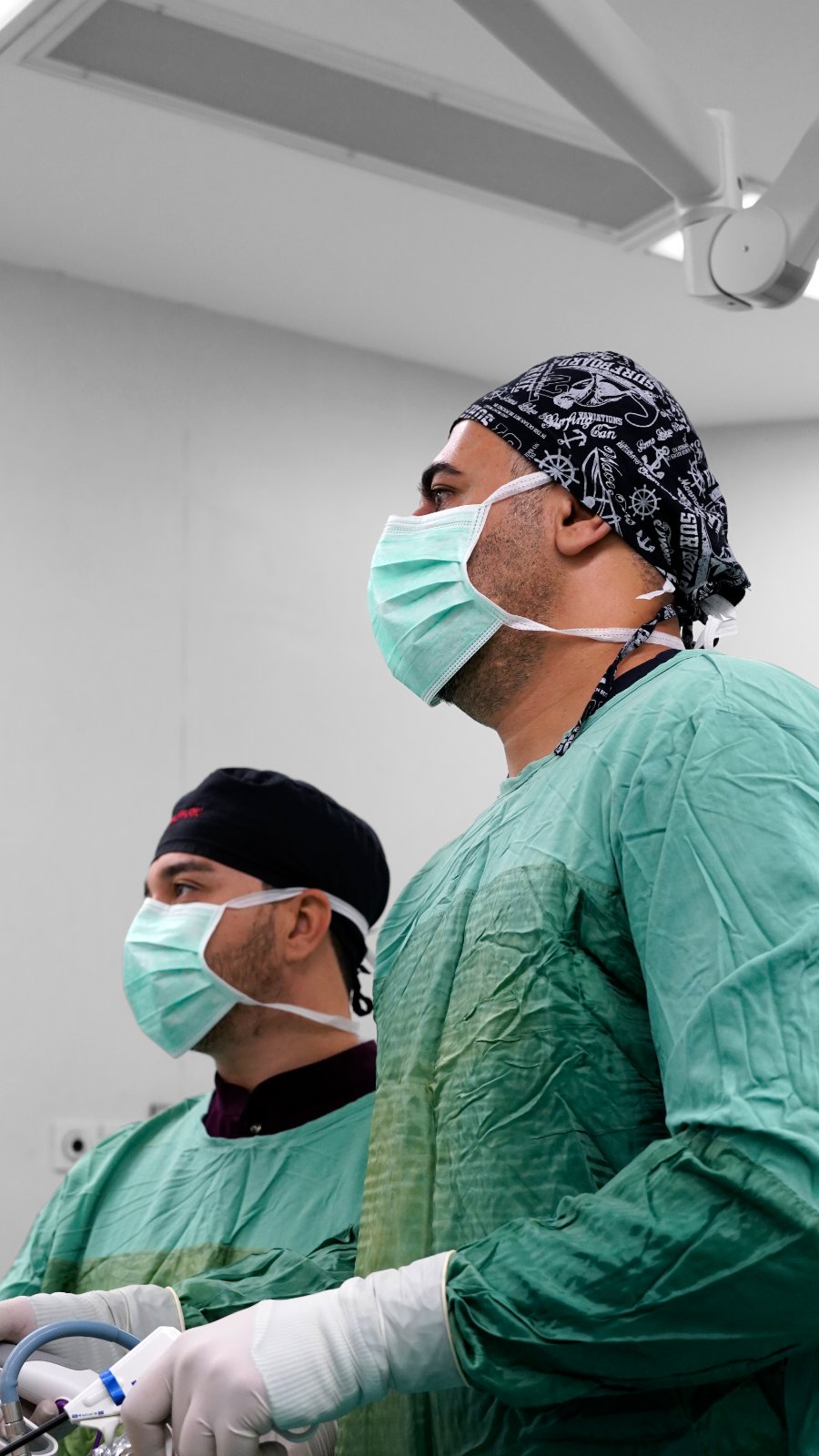
Fully equipped operating room and clinical environment meeting hygiene standards.
Safe, fast recovery with laparoscopic and minimally invasive methods.
Before surgery, our patients' blood sugar levels, HbA1c, and other metabolic markers are closely monitored. Current diabetes medications, including insulin if applicable, are taken into account when planning the operation. An endocrinology evaluation is an important part of this process, which aims to ensure surgery is carried out safely and at the right time.
In the first days after surgery, blood sugar levels are closely monitored alongside the surgical recovery process; medication and insulin needs may change during this period and are adjusted accordingly. Nutrition begins with liquids and progresses gradually. Both surgical and metabolic recovery are followed closely after discharge through regular appointments.
The nutrition program after diabetes surgery is designed with blood sugar balance in mind and progresses in stages. At our clinic, long-term follow-up is carried out in collaboration with a nutrition specialist and endocrinology, with regular blood sugar and laboratory monitoring as part of this process.
Diabetes surgery carries general surgical risks such as those related to anesthesia, bleeding, and infection. Adjusting diabetes medications after surgery requires close medical supervision. Not following the recommended nutrition and follow-up program can affect long-term outcomes. The decision to proceed with surgery is made after weighing the possible risks against the expected benefits together with the patient.
The information on this page is for general informational purposes only. Which method is suitable can only be determined after an examination and evaluation.
The effect of surgery on diabetes varies from patient to patient and cannot be guaranteed in advance; this is assessed individually during your examination.
Diabetes surgery is a diabetes-focused approach within the broader scope of metabolic surgery. See our metabolic surgery page for surgical technical detail.
Insulin use alone does not rule out surgery, but eligibility is assessed based on the patient's overall clinical picture.
Medication adjustments are made by your physician based on post-surgery blood sugar monitoring; the decision is individualized.
Hospital stay depends on the technique used and the patient's recovery process; the exact duration is determined by clinical assessment.
Yes, regular follow-up visits, blood sugar monitoring, and laboratory tests are recommended to track long-term outcomes.