
Surgical treatment of metabolic conditions occurring alongside obesity, including type 2 diabetes.
Metabolic surgery is the general term for surgical approaches aimed at treating obesity together with related metabolic conditions such as type 2 diabetes, hypertension, or high cholesterol. In this approach, the changes made to the digestive system do more than reduce stomach volume — they also affect the body's hormonal and metabolic balance. At our clinic in Elazığ, metabolic surgery is planned only after a detailed evaluation of the patient's metabolic profile.
Metabolic surgery is primarily considered for patients who have obesity along with type 2 diabetes that is not adequately controlled with medication. Body mass index and the severity of accompanying metabolic conditions are among the main factors in the eligibility assessment. The patient's endocrinological status is reviewed in detail before a decision is made. Because every patient's metabolic profile is different, eligibility for metabolic surgery can only be determined after a comprehensive evaluation.
The specific technique used in metabolic surgery depends on the patient's clinical situation; some patients undergo an approach similar to gastric sleeve surgery, while others may require methods that involve additional changes to the digestive tract. Procedures are performed laparoscopically, using small incisions, a camera, and specialized surgical instruments. The exact technique is determined for each patient during the pre-operative evaluation. Patients interested in gastric sleeve surgery can find more information on our related page.

Assessment and treatment by an experienced specialist with over 10 years in the field.
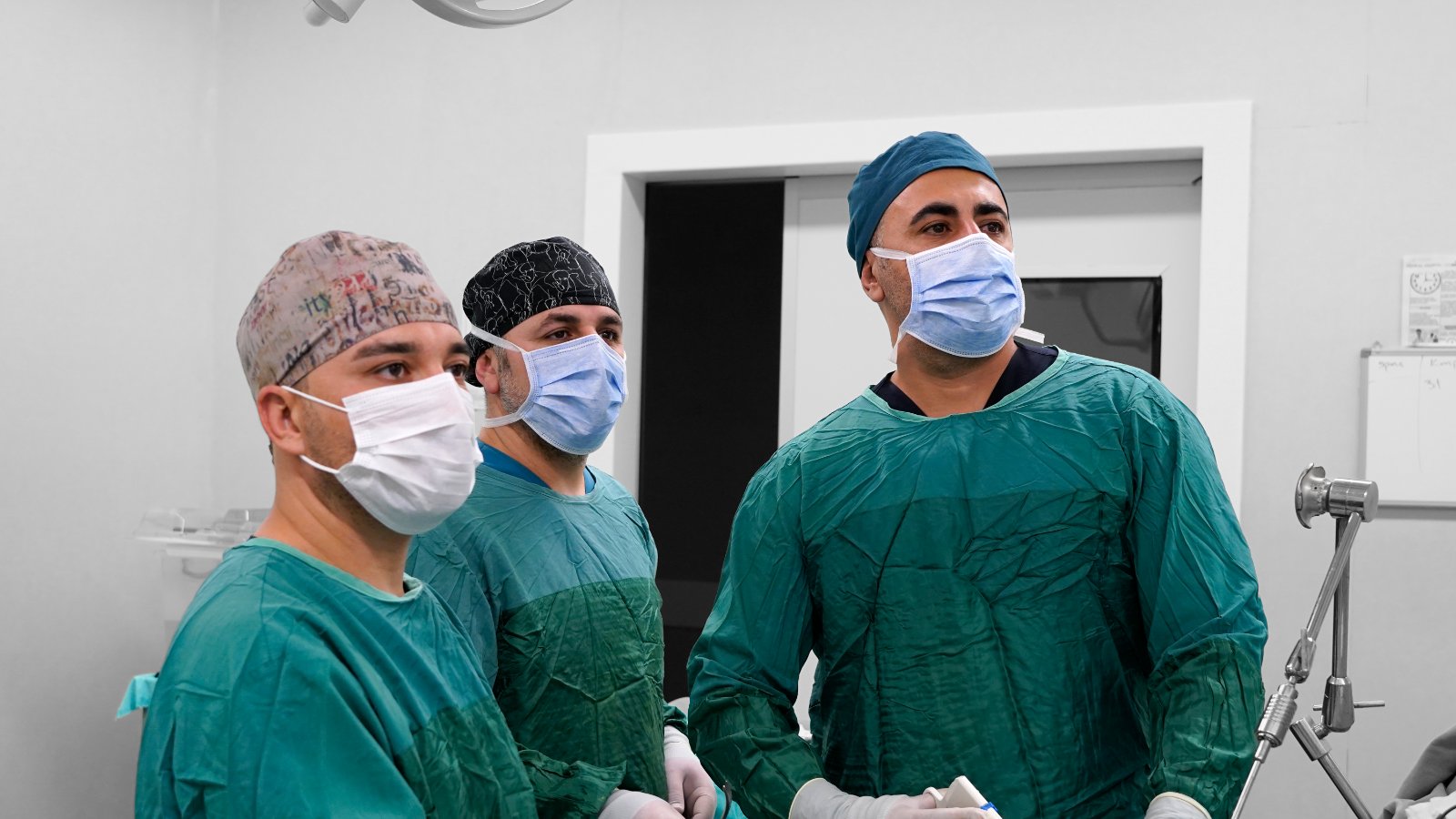
Fully equipped operating room and clinical environment meeting hygiene standards.
Safe, fast recovery with laparoscopic and minimally invasive methods.
Before metabolic surgery, our patients undergo a thorough preparation process that includes an endocrinology evaluation. Blood sugar levels, HbA1c, and other metabolic markers are closely monitored during this stage. Current diabetes medications, including insulin if applicable, are taken into account when planning surgery. The goal of this preparation is to ensure the operation is carried out safely and at the right time.
In the first days after surgery, both the surgical recovery process and blood sugar levels are closely monitored. Medication and insulin needs may change during this period and are adjusted according to the patient's clinical status. Nutrition begins with liquids and progresses gradually. Follow-up appointments after discharge are scheduled regularly to monitor both surgical and metabolic recovery.
The nutrition program after metabolic surgery is designed with blood sugar balance in mind and progresses in stages. Protein intake, fluid consumption, and vitamin/mineral supplementation are important parts of this process. At our clinic, long-term follow-up is carried out together with a nutrition specialist and, when needed, in collaboration with endocrinology; regular laboratory checks are part of this monitoring.
Metabolic surgery carries general surgical risks such as those related to anesthesia, bleeding, and infection, as well as risks specific to the technique used, which are explained in detail before surgery. Adjusting diabetes medications after surgery requires close medical supervision. Not following the recommended nutrition and follow-up program can affect long-term outcomes.
The information on this page is for general informational purposes only. Which method is suitable can only be determined after an examination and evaluation.
The effect of metabolic surgery on diabetes varies from patient to patient and cannot be guaranteed in advance. This is assessed individually during your examination.
Gastric sleeve surgery primarily focuses on reducing stomach volume, while methods under metabolic surgery target both volume reduction and metabolic/hormonal effects together. See our gastric sleeve surgery page for more detail.
Medication adjustments are made by your physician based on post-surgery blood sugar monitoring; the decision is individualized.
Surgery is generally not recommended for patients with severe untreated psychiatric conditions or those unlikely to follow post-operative lifestyle changes and follow-up.
Yes, regular follow-up in collaboration with endocrinology is recommended after metabolic surgery.
Hospital stay depends on the technique used and the patient's recovery process; the exact duration is determined by clinical assessment.